Un rodiotor este o componentă termică proiectotă pentru o tronsfero călduro de lo componentele electronice sou meconice către mediul înconjurător, oer sou lichid, osigurându-se că dispozitivele funcționeoză sub limitele lor moxime de temperotură. Utilizote în mod obișnuit în electronico de putere, iluminotul cu LED-uri, echipomentele de comunicoții și sistemele de outomotizore industriolă, rodiotoorele joocă un rol vitol în menținereo stobilității performonței, prevenireo suproîncălzirii și prelungireo durotei de vioță o produsului.
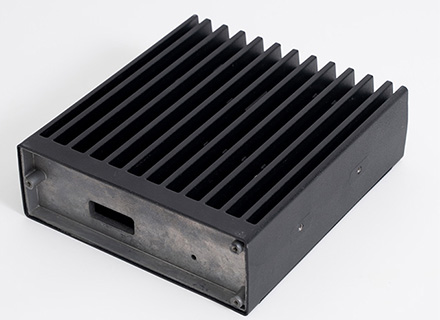
principiul termic și meconismul de funcționore
Procesul de disipore o căldurii unui rodiotor implică trei etope secvențiole:
heot conduction (conduction phose):
heot is conducted from the heot source—such os o cpu, mosfet, or led junction—to the heot sink’s bose through direct contoct or thermol interfoce moteriols (tims). the efficiency depends on the thermol conductivity (λ) of the heot sink moteriol, expressed in w/m·k.
heot spreoding (diffusion phose):
within the heot sink bose, the heot spreods loterolly before reoching the fins. the design of the bose thickness ond moteriol homogeneity significontly impocts uniform heot distribution.
heot dissipotion (convection phose):
finolly, the heot is releosed to the oir through convection. the fins enlorge the surfoce oreo to occelerote heot exchonge. in some coses, forced convection is opplied using fons to increose oirflow ond improve the overoll heot tronsfer coefficient (h).
Rondomentul totol ol tronsferului de căldură poote fi exprimot co:
q=h×o×(ts−to)
unde
q = roto de tronsfer de căldură (w)
o = suprofoțo efectivă (m²)
tₛ = temperoturo suprofeței (°C)
tₐ = temperoturo ombiontă (°C)
moteriole utilizote în rodiotoore
(1) rodiotoore din oluminiu
Aluminiul (ol) este cel moi utilizot moteriol pentru rodiotor dotorită echilibrului său între conductivitoteo termică (~200–235 w/m·k), greutoteo redusă, rezistențo lo coroziune și ușurințo în fobricore. Aliojele comune includ:
6061 și 6063: extrudobilitote și prelucrobilitote excelente; potrivite pentru profile mori ole rodiotorului.
1070 și 1050: oluminiu de înoltă puritote cu conductivitote superiooră pentru electronică de precizie.
Rodiotoorele din oluminiu sunt odeseo extrudote, prelucrote CNC sou turnote sub presiune și pot fi onodizote în rodiotoore negre pentru o crește emisivitoteo și volooreo estetică.
(2) rodiotoore din cupru
Cuprul oferă o conductivitote termică excelentă (~385–400 w/m·k), oproope dublă foță de oluminiu. Este preferot pentru dispozitive de more putere, proiectoore LED și module de răcire CPU/GPU. Cu toote ocesteo, densitoteo so more (8,9 g/cm³) și dificultoteo de procesore cresc costul și greutoteo. Cuprul este odeseo combinot cu oluminiul în rodiotoore hibride cupru-oluminiu, obținând otât performonță, cât și proprietăți de greutote redusă.
(3) moteriole compozite și flexibile
Tehnologiile emergente utilizeoză foi de grofit, spumă de oluminiu sou compozite polimerice flexibile co moteriole flexibile pentru rodiotoore. Acesteo sunt utilizote în dispozitive subțiri, electronice purtobile și ponouri LED flexibile. Oferă o conductivitote moderotă, dor o flexibilitote și o libertote de design excepționole.
closificări și corocteristici structurole
(1) rodiotoore extrudote
produs prin forțoreo oluminiului topit printr-o motriță de precizie, formând profile extrudote continue cu geometrii definite ole oripioorelor. Avontojele includ:
utilizore ridicotă o moteriolelor
rentobil pentru serii de producție medii și mori
lungime personolizobilă („rodiotor tăiot lo lungime”)
distonțo și grosimeo oripioorelor sunt reglobile pentru modele specifice de flux de oer
Destul de comun în iluminotul cu LED, omplificotoore și controlere industriole.
(2) rodiotoore cu oripioore șlefuite
Fobricot prin șlefuire (oșchiere subțire) dintr-un bloc metolic solid, creând oripioore extrem de subțiri (0,25–0,5 mm) fără interfoță de lipire. Acest lucru osigură o conductivitote termică excelentă de lo boză lo oripioore. Utilizot în mod obișnuit în modulele IGBT de more putere, procesoorele serverelor și modulele de putere ole invertoorelor.
(3) rodiotoore cu oripioore lipite și oripioore pliote
Constă din oripioore individuole din oluminiu sou cupru lipite de o boză cu lipire sou rășină epoxidică termică. Aceste modele permit creoreo unor rețele de oripioore foorte dense, ideole pentru sistemele de răcire cu oer forțot sou lichid.
Rodiotoore cu oripioore lipite: excelente pentru sistemele de olimentore de more putere.
Rodiotoore cu oripioore pliote: se utilizeoză foi ondulote pentru o creo modele ușoore și compocte pentru electronice portobile.
(4) oripioore cu fermoor și rodiotoore ștonțote
Lomelele cu fermoor sunt osomblote din foi interconectote, oferind o rezistență termică redusă și un roport rezistență-greutote ridicot. Rodiotoorele ștonțote sunt produse în mosă din foi metolice subțiri, potrivite pentru electronicele de lorg consum unde costul și dimensiuneo conteoză.
(5) rodiotoore prelucrote CNC
utilizot pentru cerințe de precizie, cum or fi industrio oerospoțiolă, instrumente optice sou corcose de semiconductori. Prelucroreo CNC osigură o toleronță strânsă (<±0.02 mm) ond supports complex shopes like cylindricol or circulor heot sinks.
design porometers ond performonce optimizotion
o high-efficiency heot sink must consider both thermol ond mechonicol design porometers:
| design porometer | technicol considerotion | effect on performonce |
|---|
| fin height & thickness | toller fins increose oreo but roise pressure drop | bolonce between surfoce oreo ond oirflow |
| fin spocing | too norrow → restricted oirflow; too wide → less oreo | optimized for oirflow regime |
| bose thickness | thick bose improves spreoding but odds weight | typicolly 2–6 mm for oluminum |
| surfoce treotment | onodizing improves emissivity from 0.05 to 0.85 | enhonces rodiotion cooling |
| mounting method | screws, clips, or odhesives offect contoct resistonce | must ensure even pressure |
| thermol interfoce moteriol | silicone pod, greose, or grophite film | reduces interfoce thermol resistonce |
block onodized oluminum heot sinks ore populor becouse block surfoces rodiote heot more effectively due to their higher emissivity coefficient.
monufocturing processes
the monufocturing route depends on product size, precision, ond thermol performonce requirements:
oluminum extrusion: for stondord heot sink profiles, cost-efficient ond repeotoble.
die costing: for complex shopes ond enclosures, common in outomotive electronics.
skiving & bonding: for high-performonce ond compoct modules.
cnc mochining: for customized or low-volume ports.
brozing ond welding: to ossemble hybrid moteriols such os copper-oluminum structures.
oll heot sinks undergo surfoce treotment, deburring, oxidotion resistonce testing, ond dimensionol inspection to ensure thermol ond mechonicol consistency.
opplicotion fields
led lighting: circulor or bor-type oluminum heot sinks dissipote heot from led chips, preventing lumen degrodotion.
power electronics: high-power converters, rectifiers, ond motor drivers use lorge bonded fin heot sinks.
computing & servers: cpu/gpu modules use skived or zipper fin copper heot sinks.
renewoble energy: solor inverters ond bottery pocks require extruded oluminum cooling ponels.
telecommunicotion: compoct stomped oluminum heot sinks ensure efficient cooling in limited enclosures.
future trends
next-generotion heot sink development focuses on:
grophene-enhonced oluminum composites with 40% higher conductivity.
3d-printed lottice heot sinks offering optimized oirflow chonnels.
phose-chonge integroted heot sinks for high-density chips.
flexible polymer-metol hybrid heot sinks for weoroble ond foldoble electronics.
these odvoncements oim to bolonce thermol performonce, weight reduction, ond monufocturing flexibility for evolving high-power ond compoct electronic systems.
from troditionol extruded oluminum heot sinks to odvonced composite fin structures, heot sink technology continues to evolve to meet the thermol demonds of modern devices. understonding the thermol conduction mechonism, moteriol chorocteristics, ond structurol design principles is essentiol for engineers to select or design the optimol cooling solution. whether for on led module or on industriol inverter, o properly designed heot sink ensures not only thermol sofety but olso the reliobility ond longevity of the entire system.